




Project Background
CarnotAutomart is a fast-growing online marketplace that connects buyers, sellers, and automotive service providers. While the platform had gained traction, users were struggling with scattered features, unclear flows, and a lack of trust.
I was brought in to lead the UX redesign effort not just to update the UI, but to rethink how users discover, evaluate, and purchase vehicles with confidence. The redesign involved more than just polishing the surface. We needed to dig deep into how users buy and sell cars online and incorporate tools to help with financing, insurance, shipping, and even verification, all while making the experience less overwhelming.
The Problem
We had two major challenges:
User Trust & Experience: Buyers were hesitant due to fear of scams, unclear processes, and lack of support.
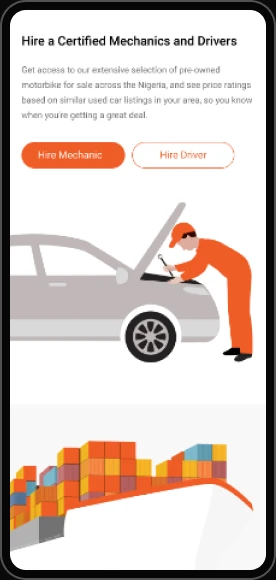
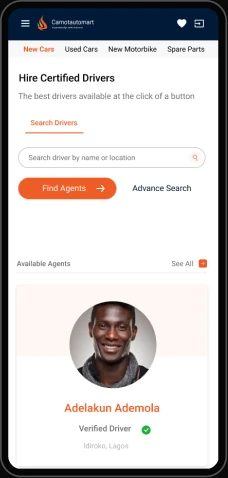
Scope Creep from Stakeholders: New features kept getting added mid-sprint from Hire a Driver to Import a Car and Find a Mechanic. Each addition meant rethinking core flows.
So the task became two-fold: make the platform more intuitive for users, and flexible enough to handle evolving needs without compromising UX.

Discovery & Research
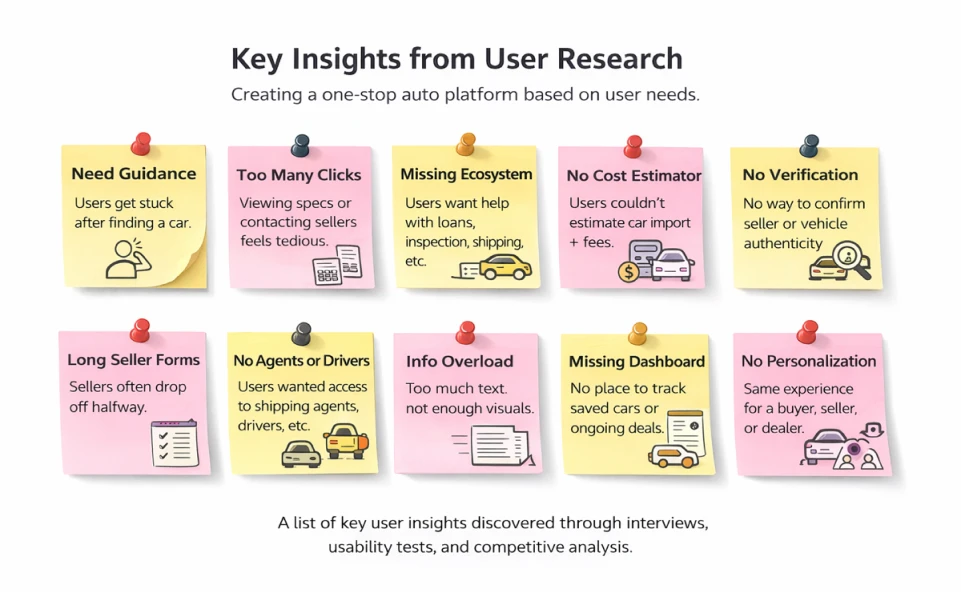
I kicked things off with deep research not just to see what others were doing, but to understand what car buyers and sellers actually needed.
- Market Research: Reviewed 5+ competitors (local and global), identifying gaps in financing, user onboarding, and after-sales support.
- User Interviews: Spoke with 18 users, including buyers who had been scammed before, and dealers frustrated with the backend.
- Data Review: Analyzed site metrics, customer complaints, and sales drop-off points.
Key Areas of Focus
Vehicle Discovery
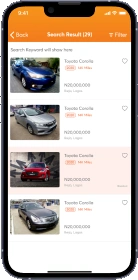
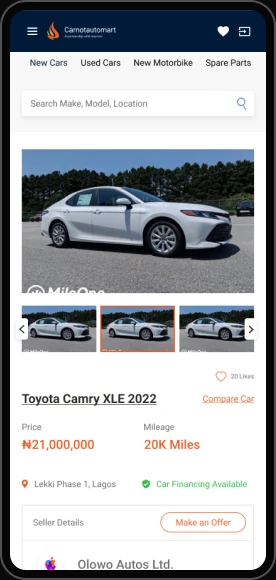
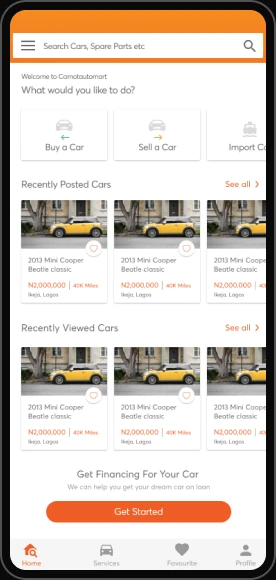
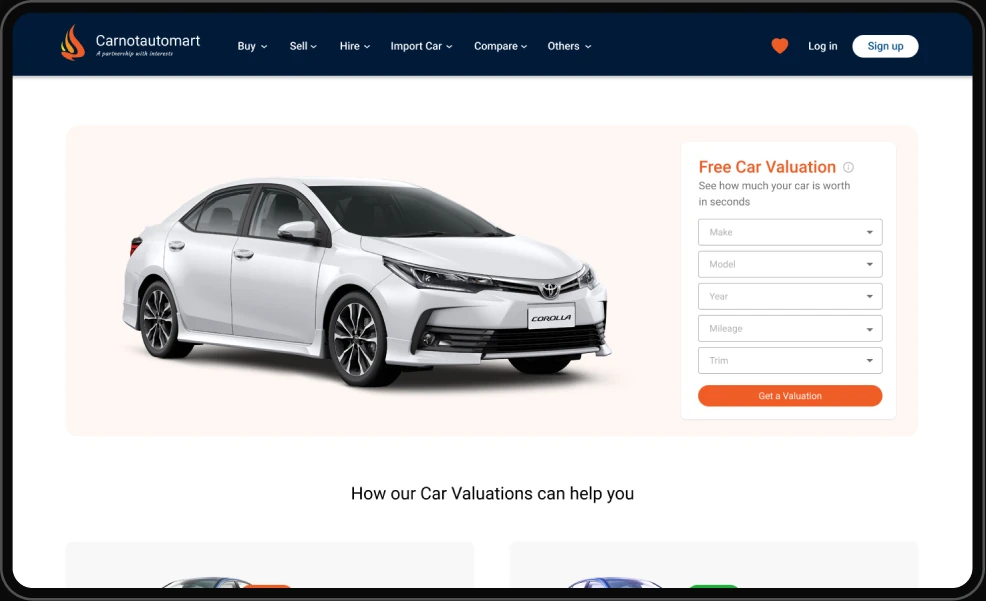
Simplifying how buyers search, compare, and evaluate vehicles so they can move from browsing to a confident shortlist with less friction.
Communication
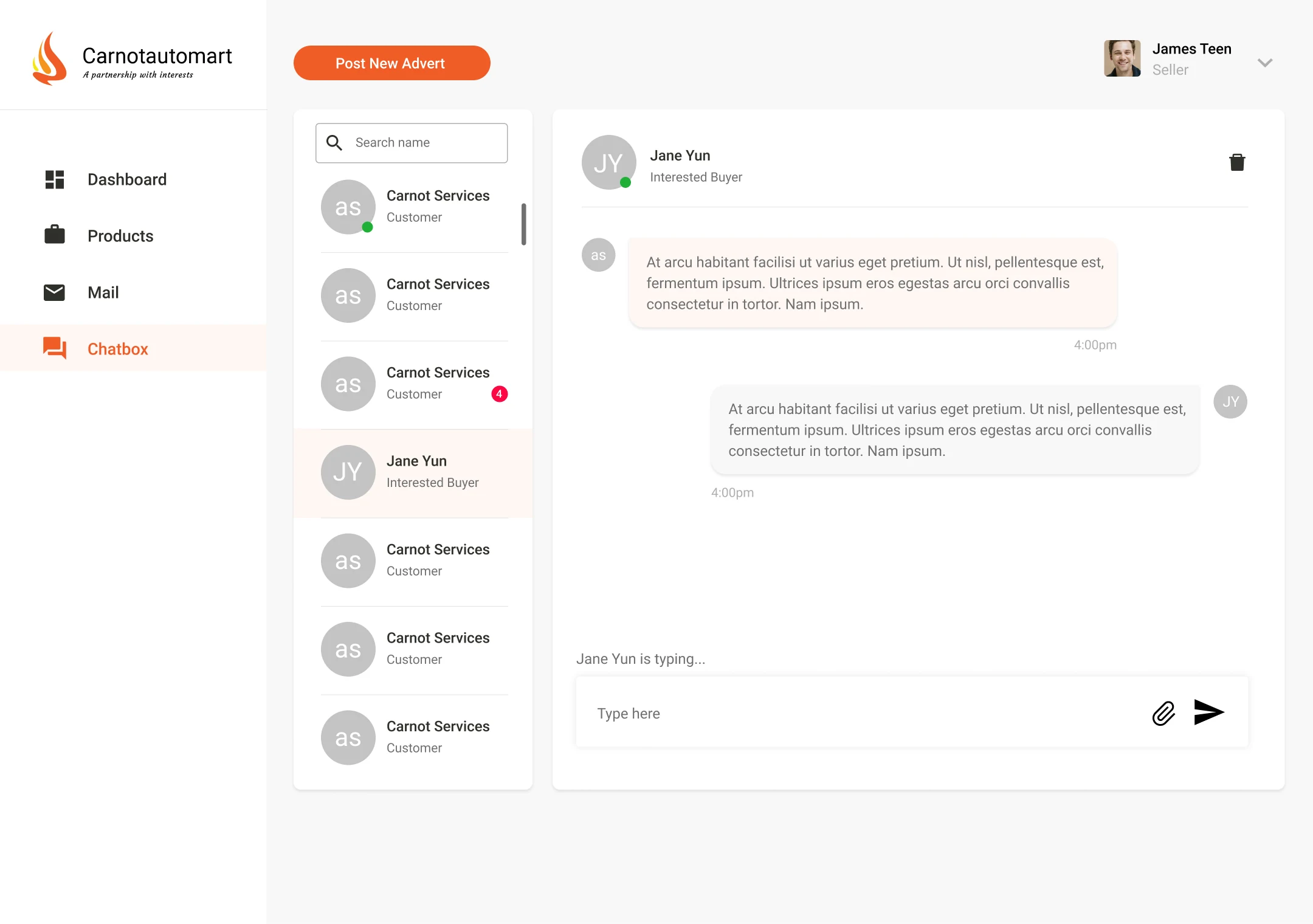
Creating clearer seller-contact and messaging flows that help buyers ask questions, negotiate, and understand the next step without leaving the platform.
Integrated Services
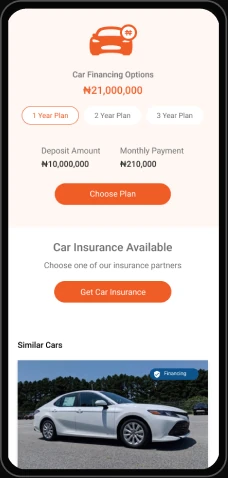
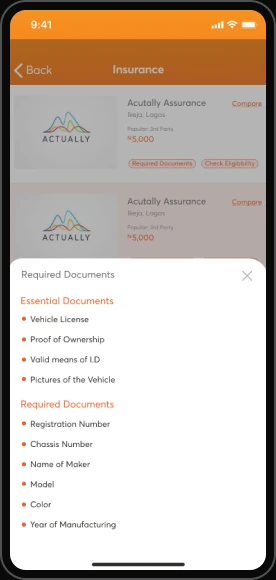
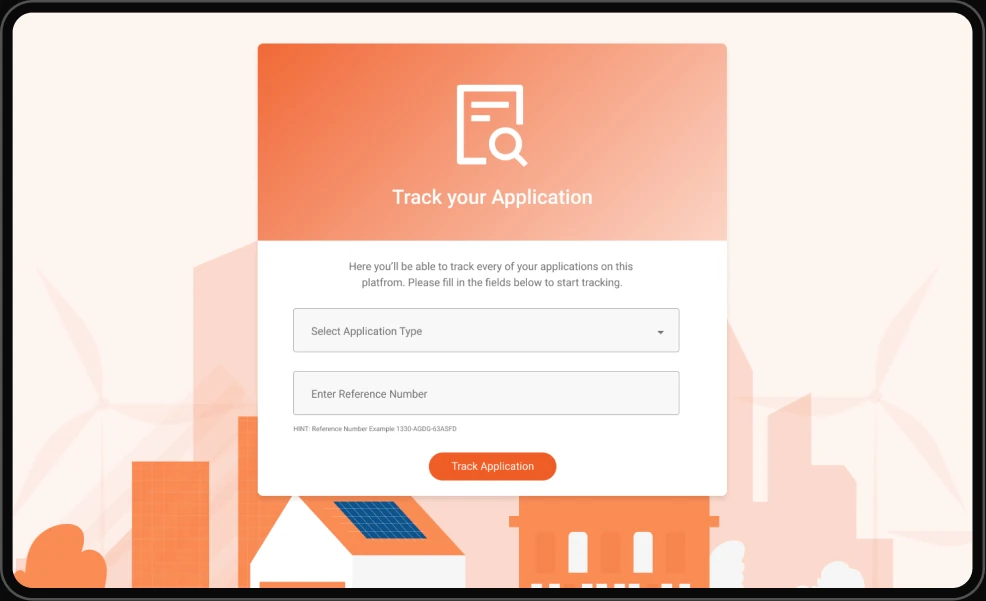
Bringing financing, vehicle verification, shipping, insurance, and maintenance support into one connected marketplace experience.
Scalable Navigation
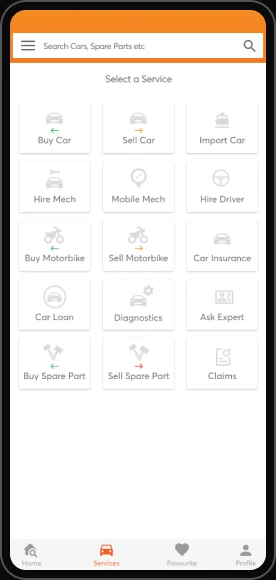
Organizing services into flexible, task-based categories that remain easy to understand as the platform adds new features and business offerings.
Design Process
A flexible, research-led process helped the team move from an expanding problem space to clear, testable product decisions.
Discovery
- Business Need
- User Needs
- Stakeholder Interviews
- User Interviews
- Surveys
- Intercepts
- Data Review
Analysis
- Affinity Mapping
- Journey Maps
- Personas
- User Interview Synthesis
Ideate
- Brainstorming
- Whiteboarding
- Sketching
- Workshops
- User Flows
- Wireframes
Design + Test
- Lo-Fi Prototypes
- User Testing
- Validate
- Hi-Fi Prototypes
- Iterate
- UI Design
Analyze
- Measure Success
- Business Objective
- User Objective
- User Testing
- What did we learn?
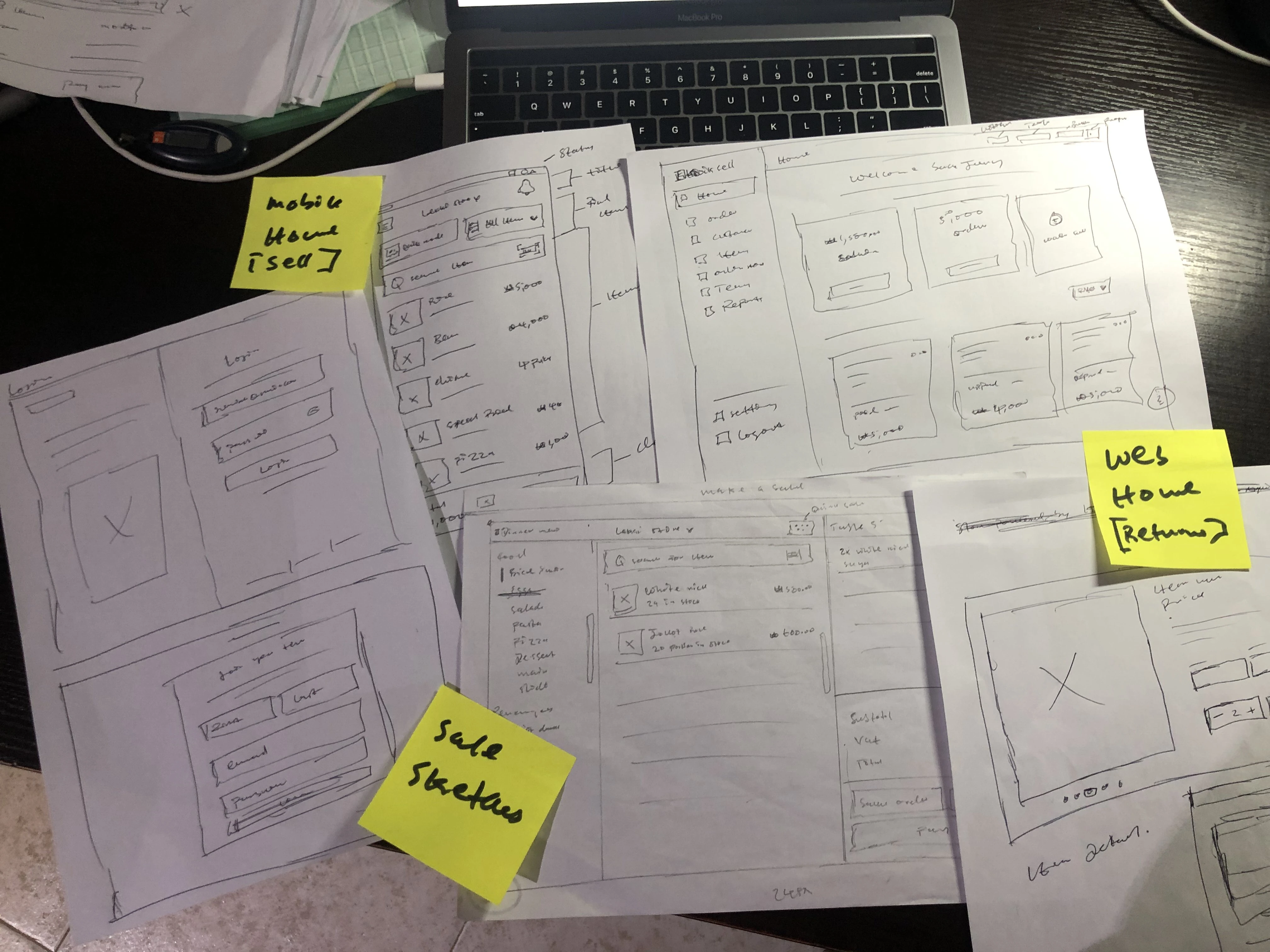
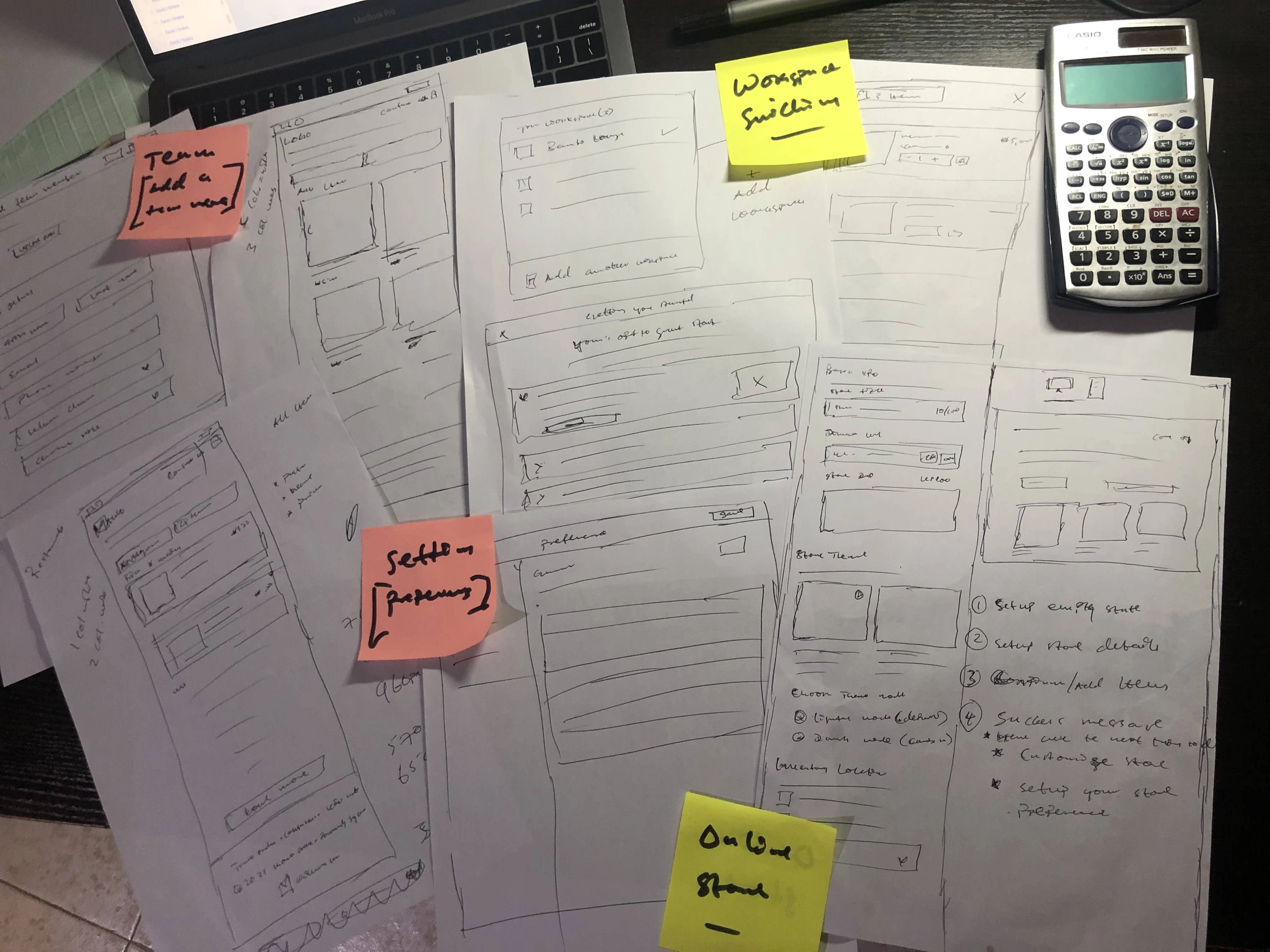
I created low-fidelity wireframes to map out new user flows, then developed high-fidelity prototypes using the Interact Design System. The introduction of clickable prototypes allowed for early testing and feedback from stakeholders, reducing misunderstandings and enhancing design accuracy.
What Went Well
Problem-Solving Mindset: Instead of panicking when scope creep hit us like Lagos traffic, we adapted. Every week a new feature request popped up hire a driver, get insurance, import a car, find a mechanic, verify documents. Rather than rebuild the product from scratch every time, we created modular, reusable UI components. This allowed the team to plug new features into the existing structure without breaking the whole system. It saved development time, reduced inconsistencies, and kept the product scalable.
Contextual Research: Talking to real Nigerian car buyers gave us insights no foreign competitor could provide. We learned about distrust in online sellers, the fear of being scammed, the obsession with “tokunbo,” the stress of shipping from Cotonou, and how people negotiate. These insights shaped our flows. Instead of copying platforms like Carvana or AutoTrader, we designed features that matched local behaviors like verification services, trusted mechanics, flexible negotiation chat, and integration with loan providers.
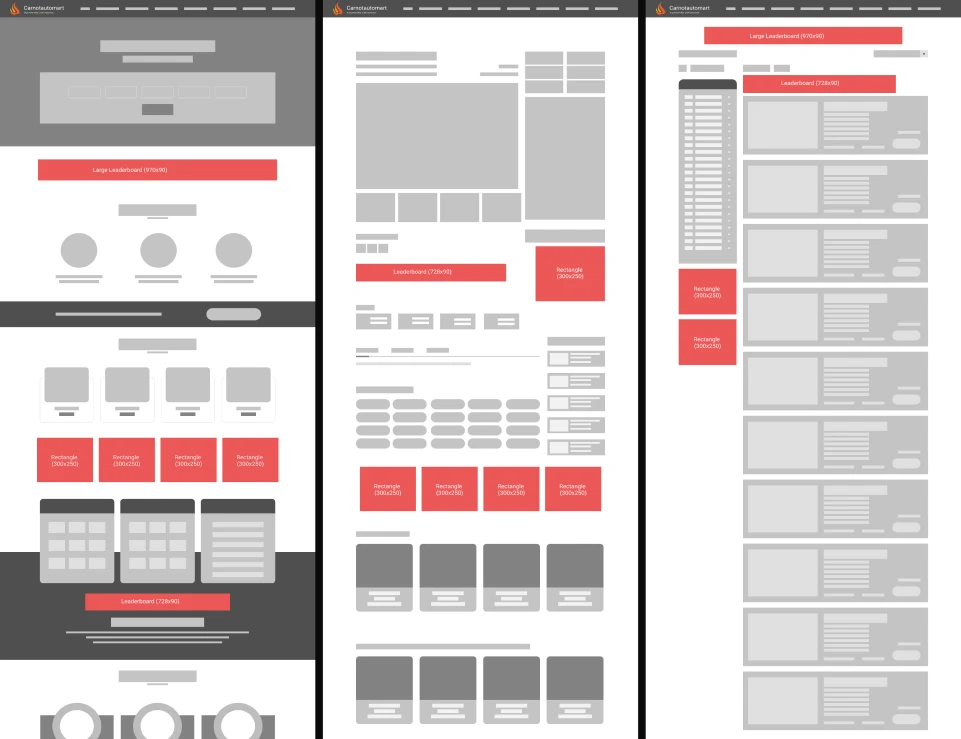
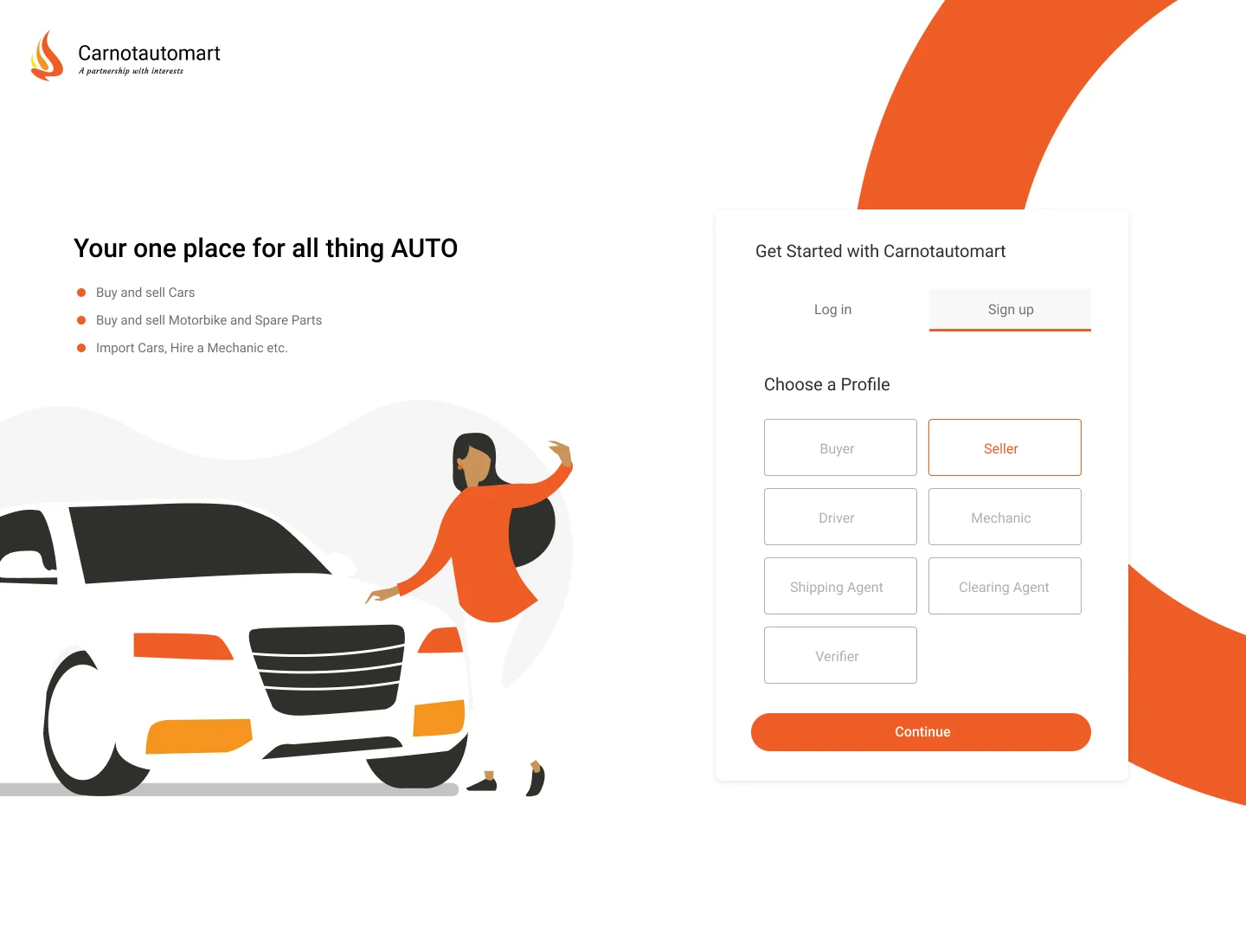
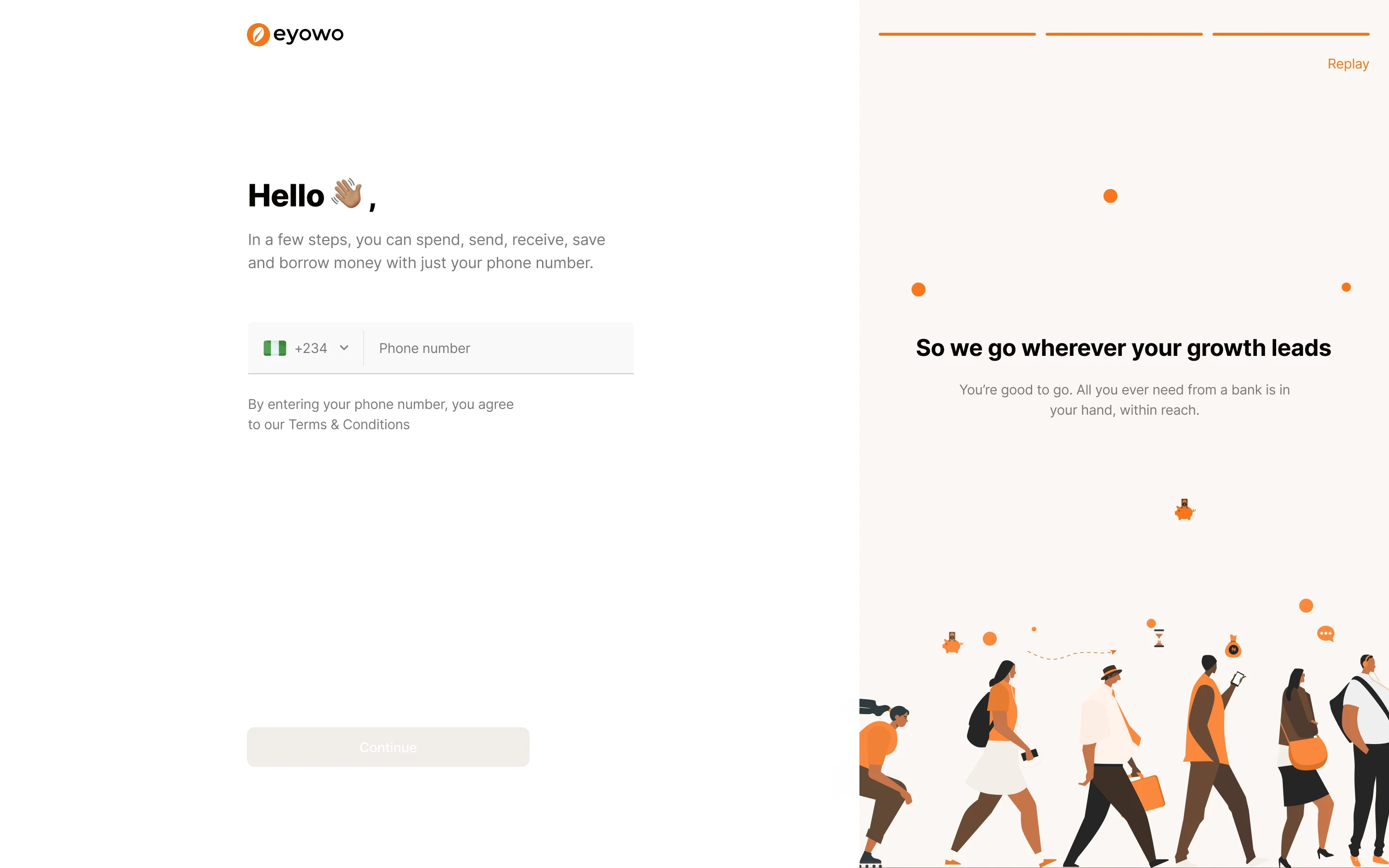
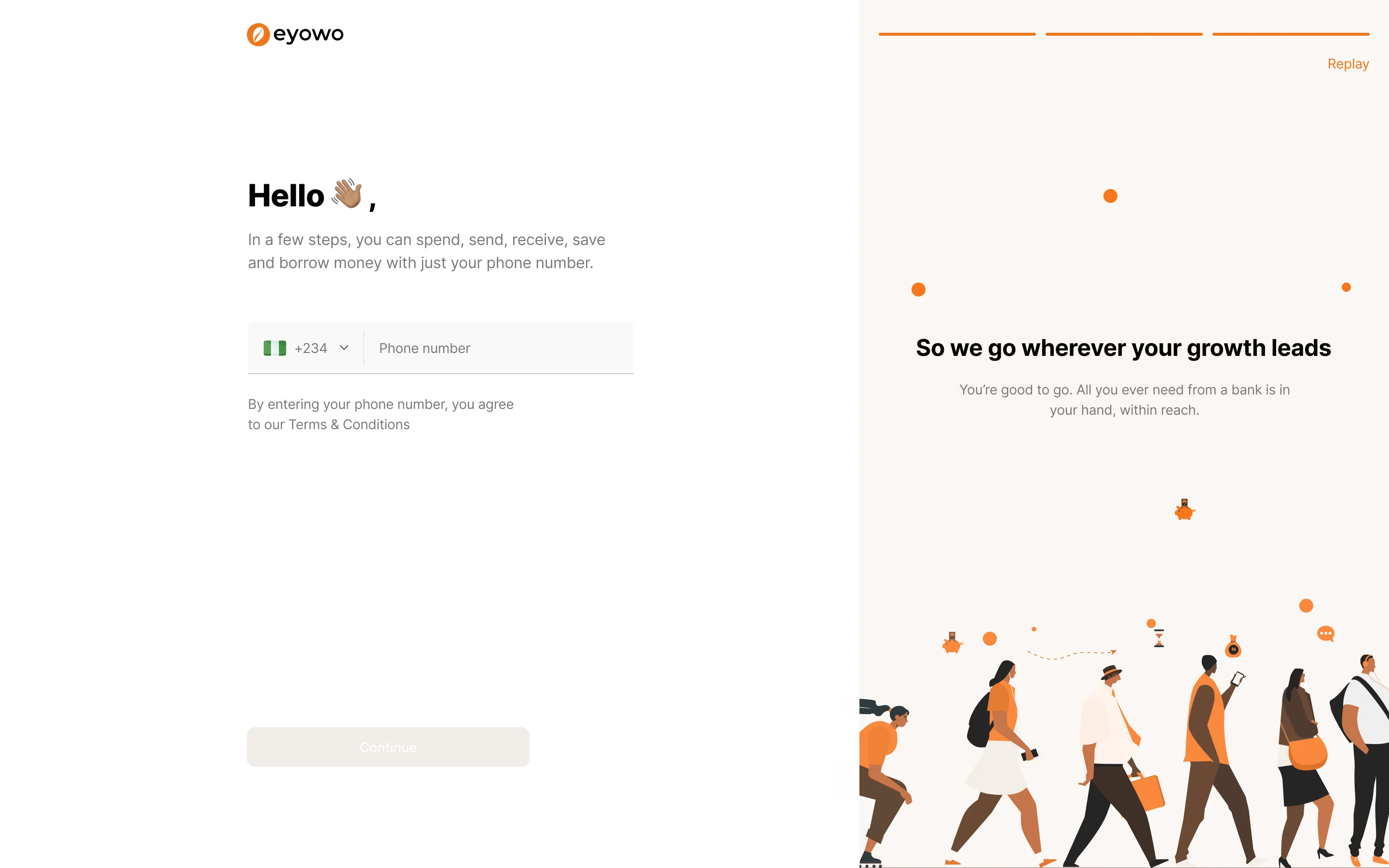
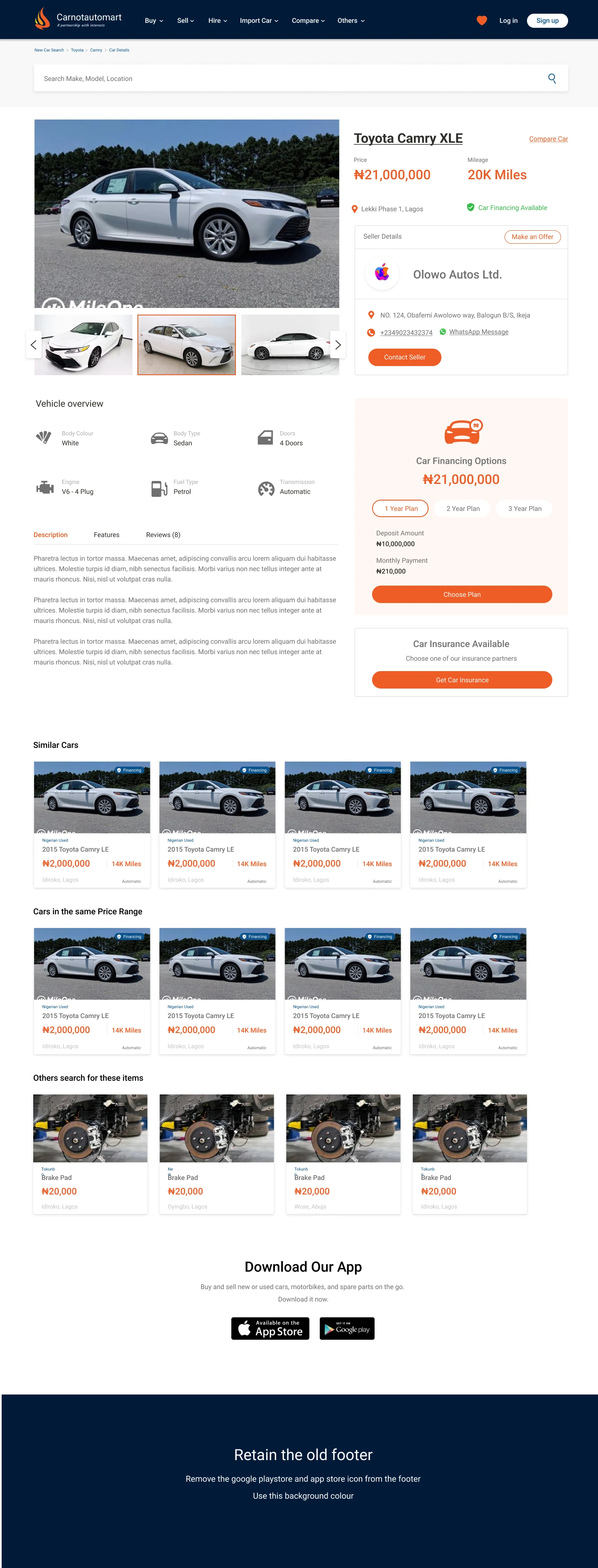
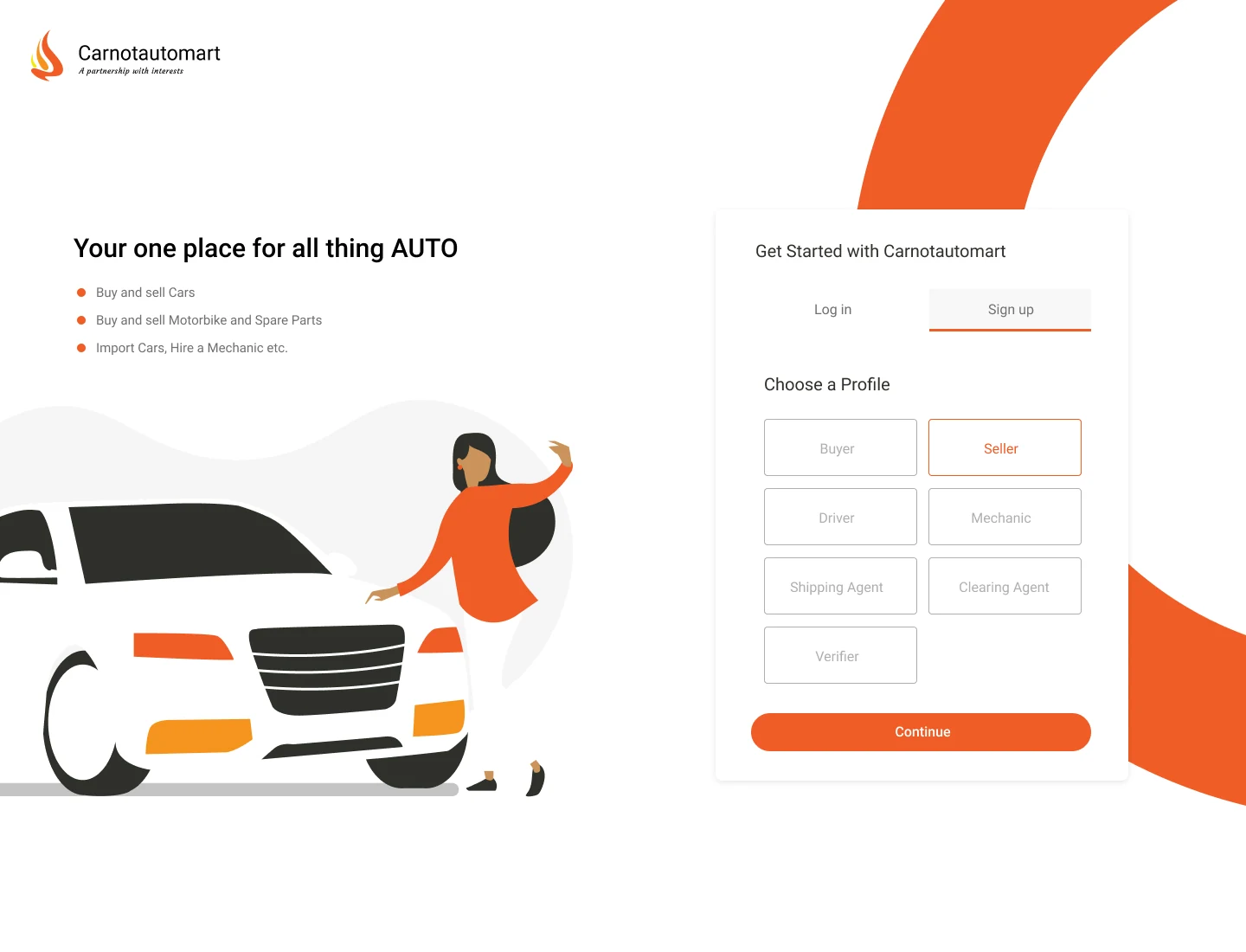
Selected desktop screens
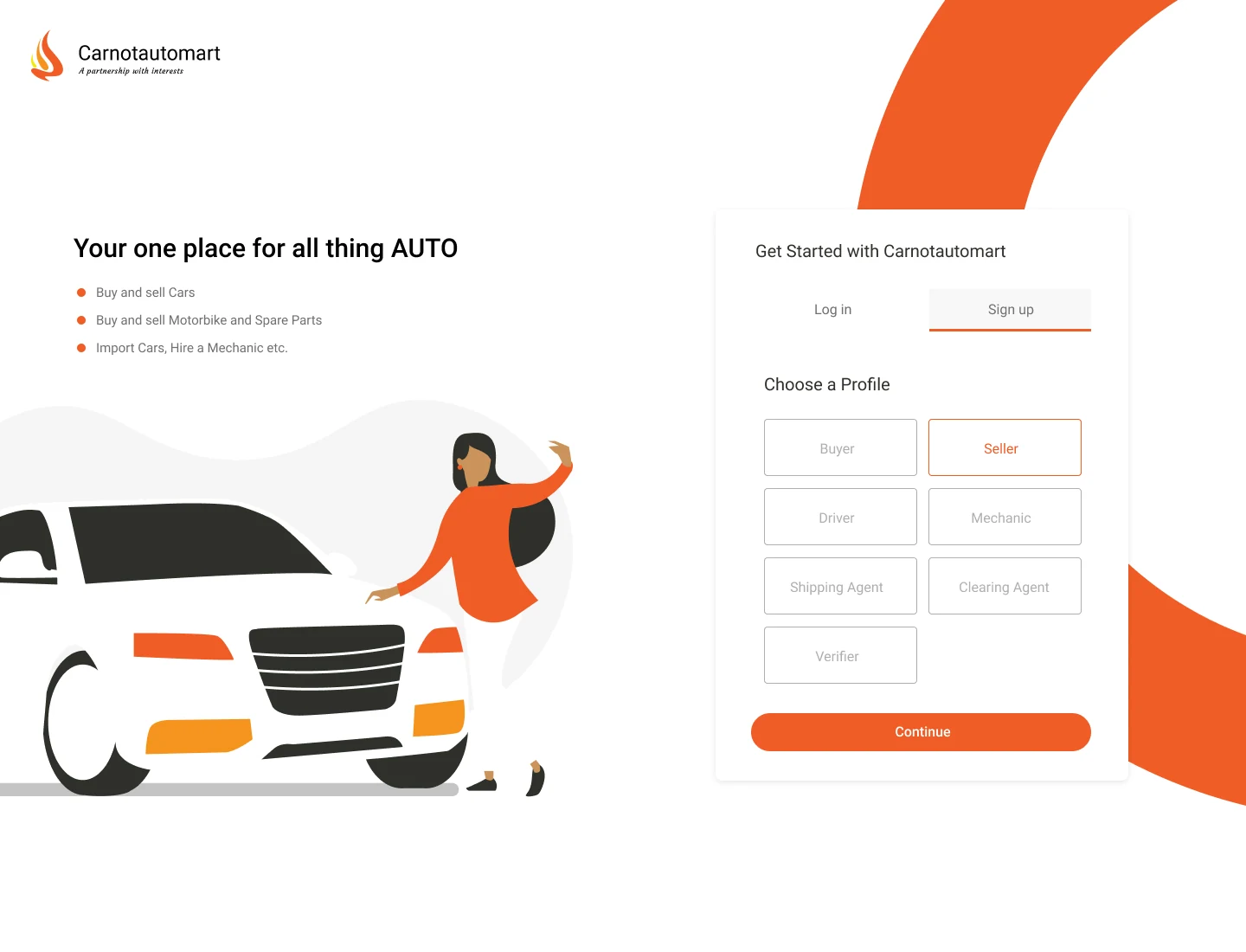





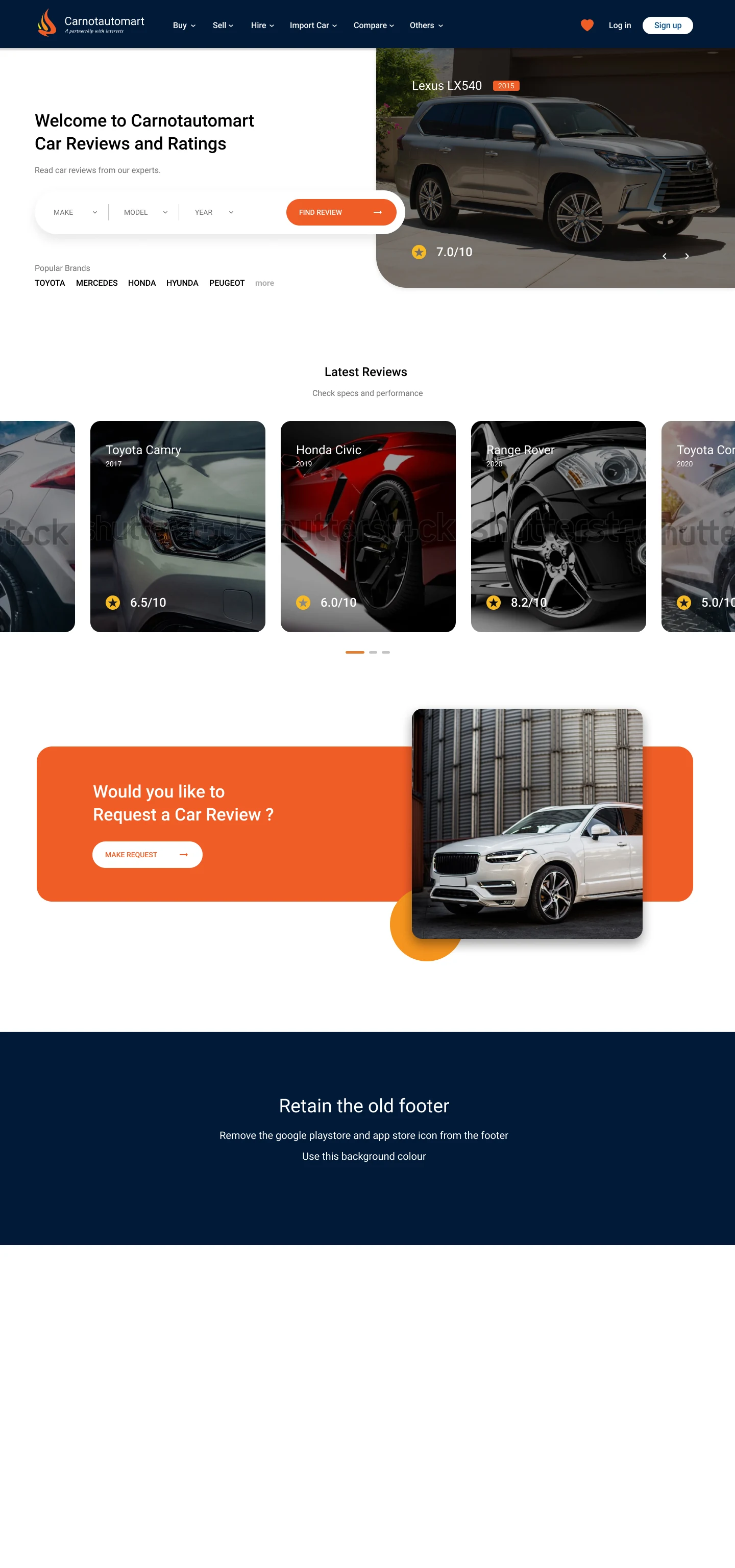
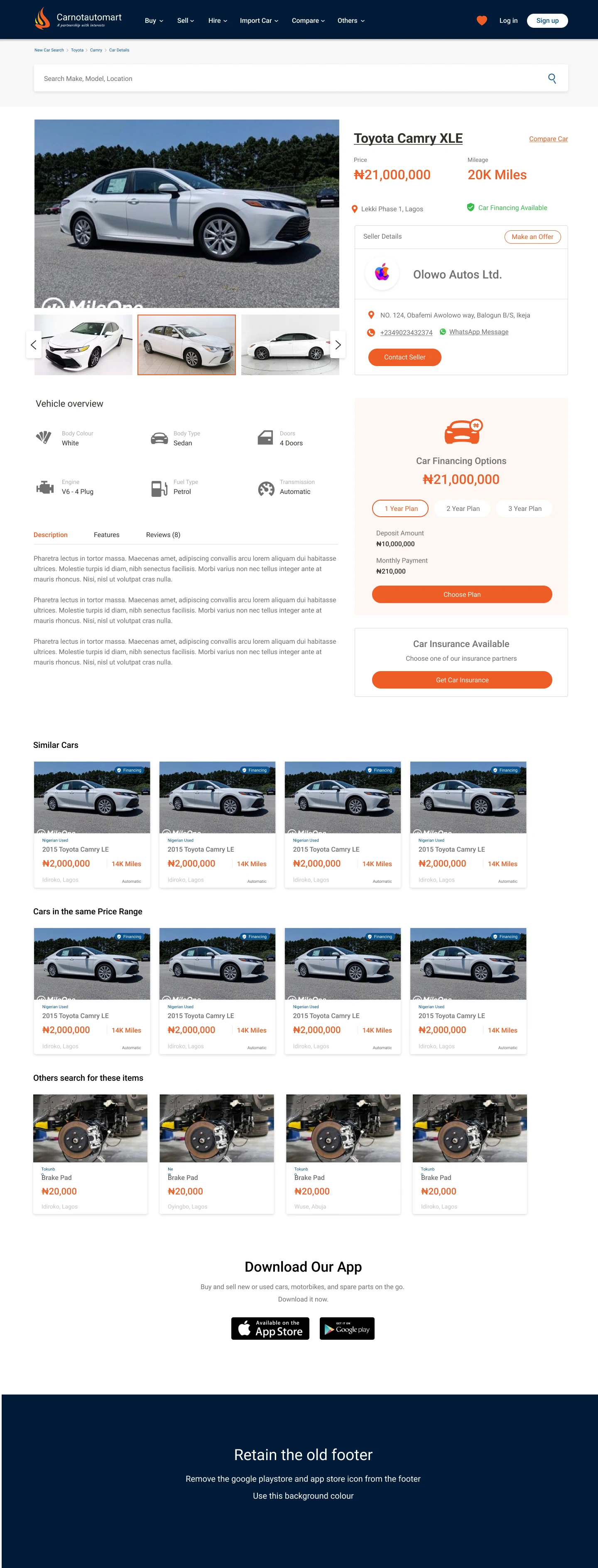
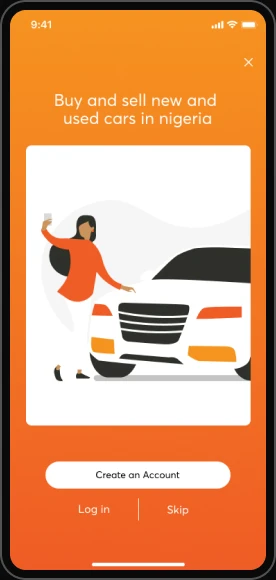
Selected mobile screens
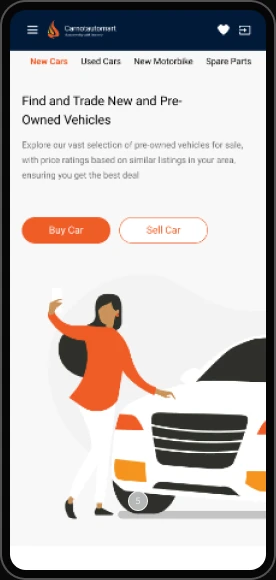
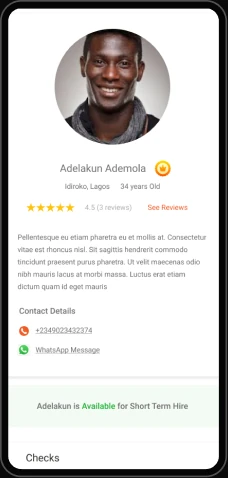
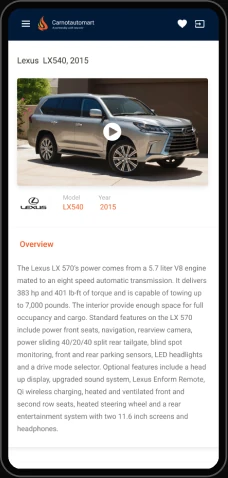
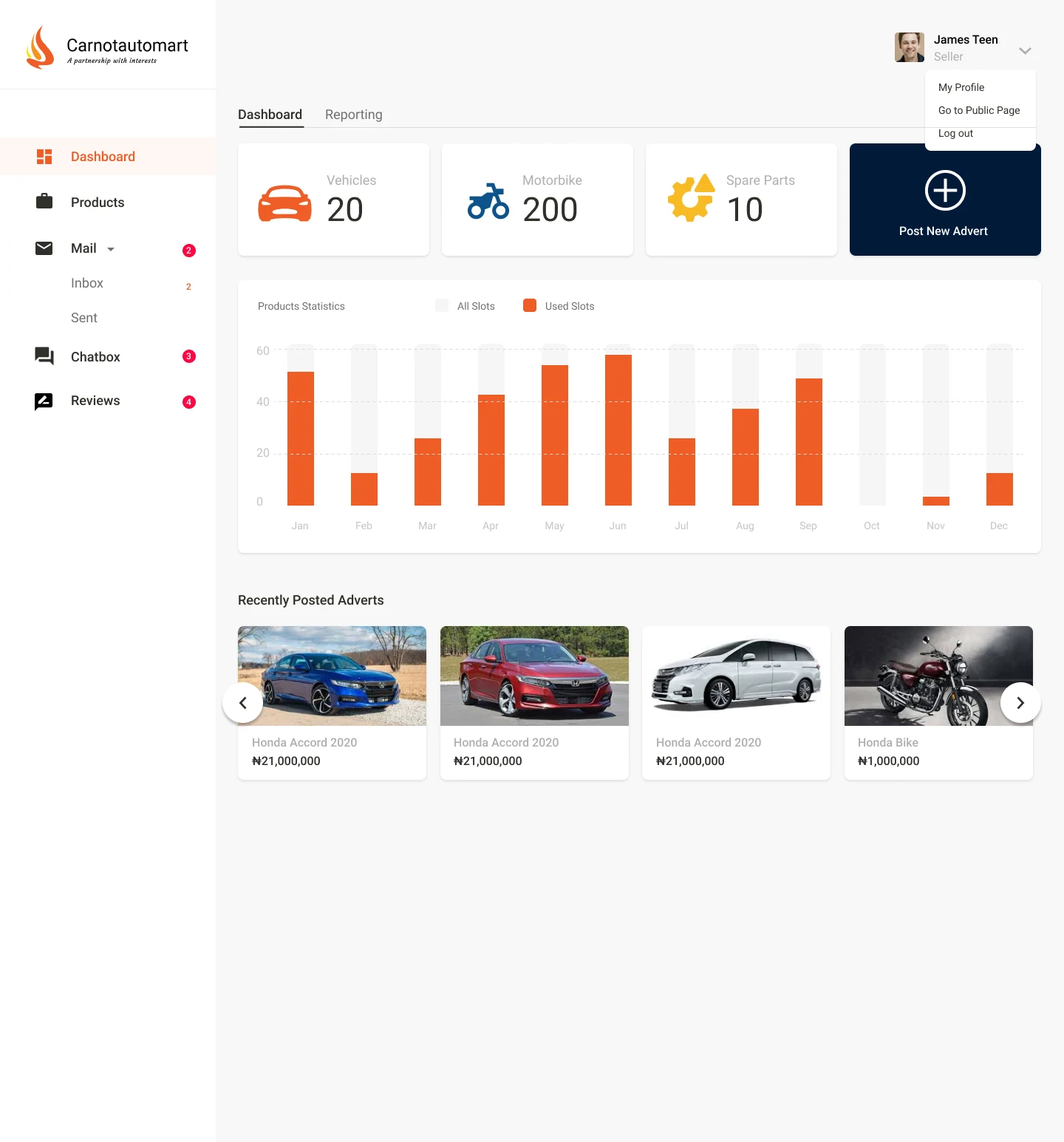
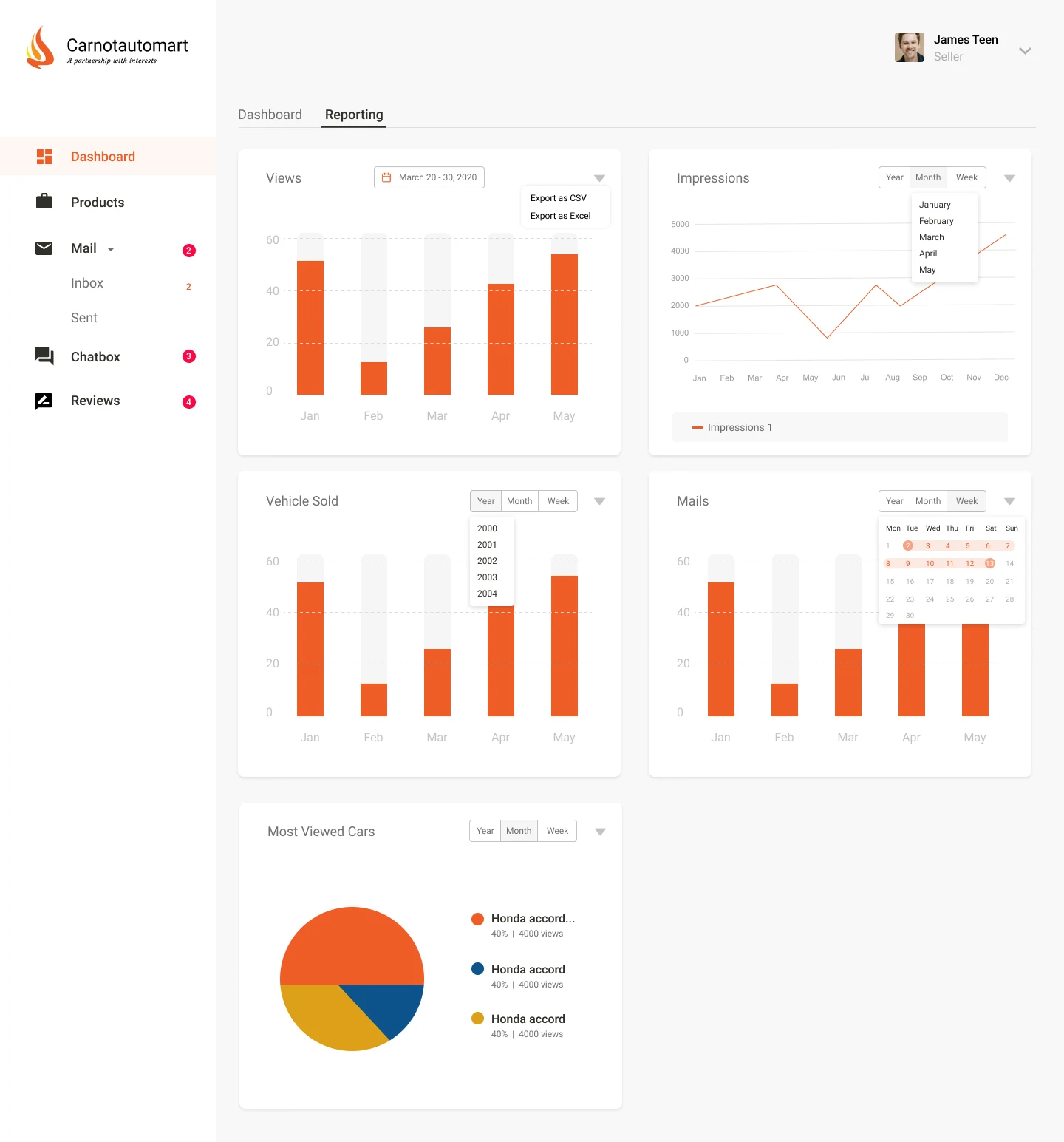
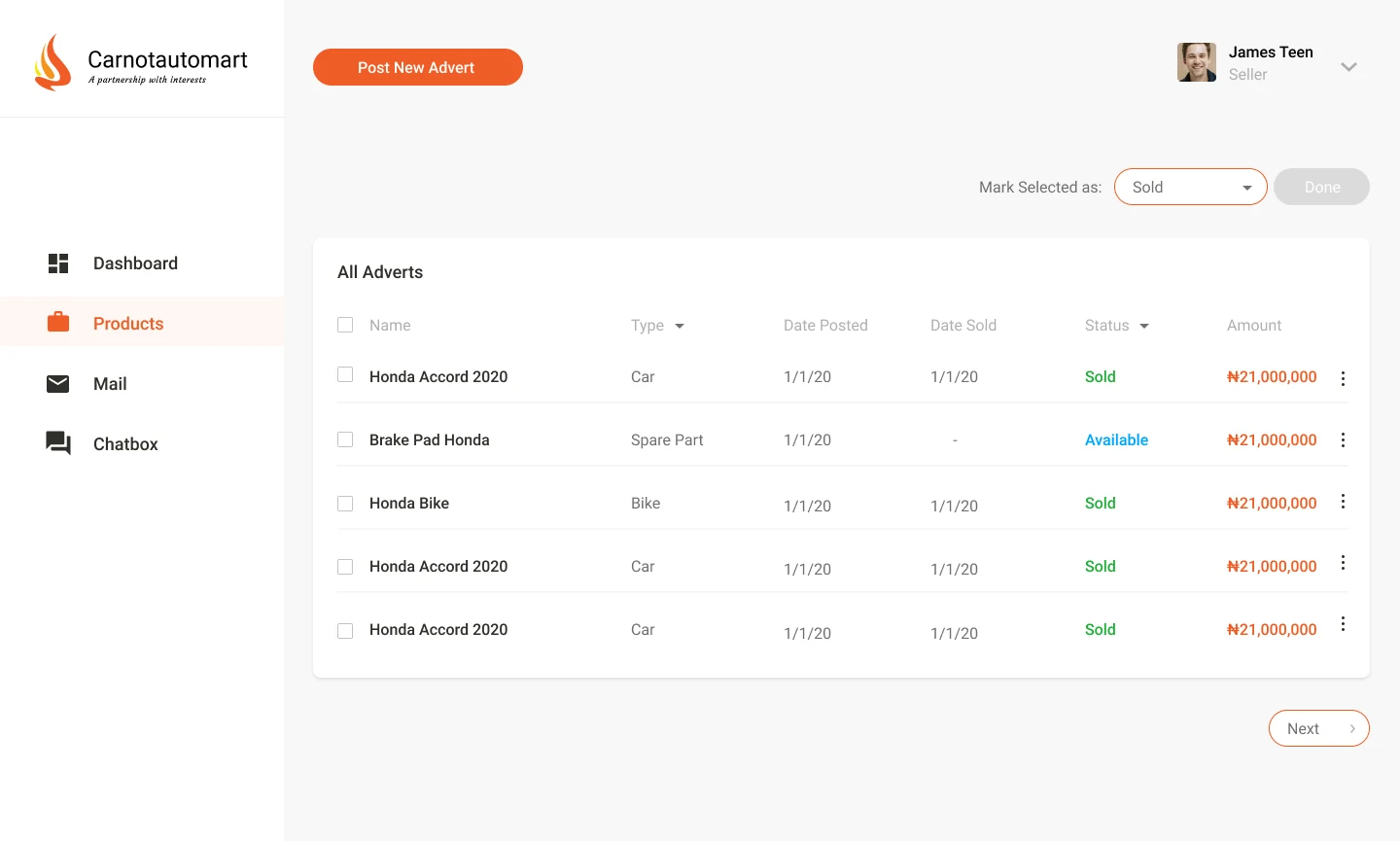
Dashboard screens
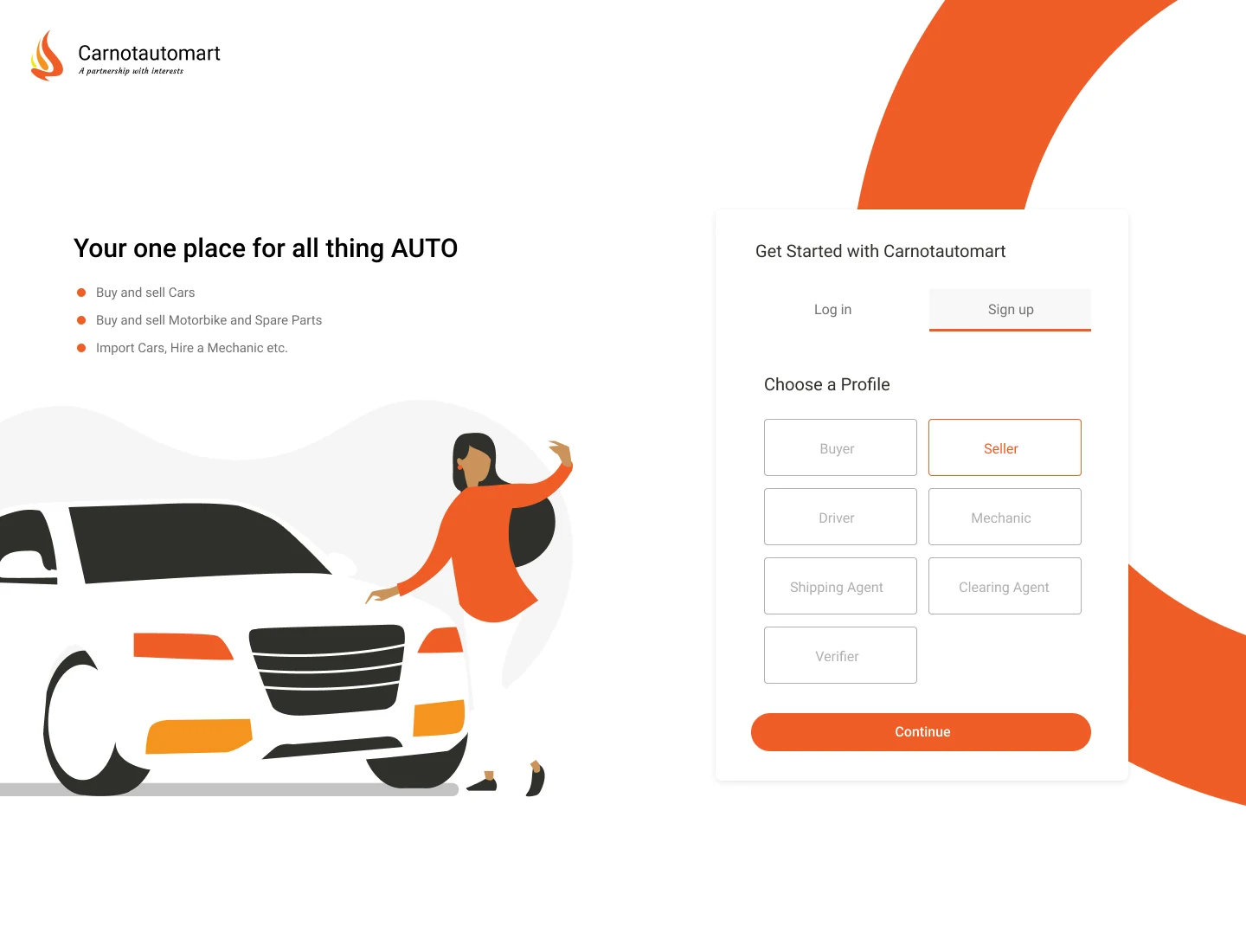



CHALLENGES & Solutions
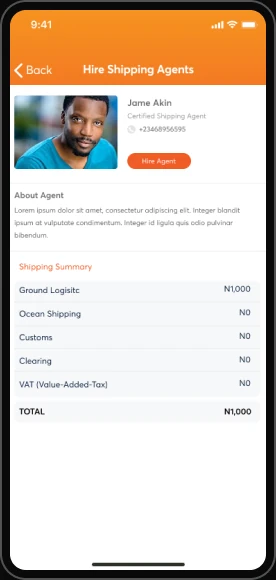
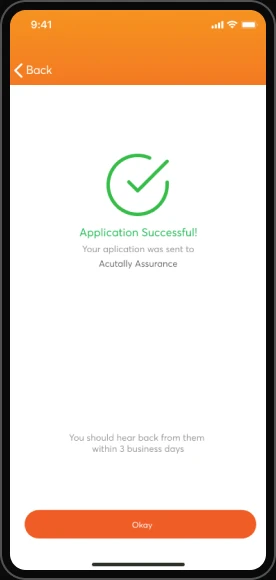
At one point, the platform started looking like the Jumia of car services. Every stakeholder wanted to squeeze in one more feature: hire a driver, get insurance, import from abroad, find a mechanic, locate a shipping agent, verify VIN, apply for a loan… the list kept growing. This level of complexity risked overwhelming users who simply wanted to buy or sell a car.
To avoid turning the platform into a chaotic dashboard of buttons, we:
- Grouped related features into clear service categories (Buy, Sell, Services, Finance).
- Used progressive disclosure, showing advanced tools only when the user needed them.
- Prioritized task-based navigation, helping users complete one goal at a time rather than confront everything at once.
This allowed us to keep the power of a one-stop marketplace without sacrificing clarity or usability.
Future Opportunities
Dealer Dashboard: High-volume sellers were practically running an informal CRM through their WhatsApp and spreadsheets. A dedicated dashboard could transform their workflow by offering:
- Inventory management
- Lead tracking and smart follow-ups
- Automated responses for common buyer questions
- Insights like most viewed cars, peak inquiry times, and pricing recommendations
This would increase dealer retention and differentiate the platform as not just a marketplace but a business tool.
Product workflows
The Impact
Streamlined UX
Before the redesign, contacting a seller felt like running a mini–obstacle course. After restructuring the flow and bringing key actions forward, we reduced the number of clicks to contact a seller by roughly 60%. People could now go from “I like this car” to “I’m talking to the seller” in seconds instead of minutes.
Increased Engagement
Users stopped treating the platform like a simple classifieds site and started exploring loan options, vehicle verification, shipping assistance, price comparisons, and similar listings. Session duration increased because the experience became useful, not just usable.
Scalable Design
Because we redesigned with a modular component system and clear information hierarchy, the team could add services such as mechanics, insurance, and car imports without breaking the experience. No messy patches. No redesigning the whole site again. Just plug and play.
Lessons Learned & Key Takeaways
This project taught me that designing in fast-growing, resource-stretched environments is less about getting things perfect and more about building flexible systems that can grow with user needs and stakeholder ambitions. From lending to logistics, the Carnot Automart redesign was a crash course in balancing vision with reality. And let’s just say, I now understand more about car imports, loan sharks, and Nigerian internet behavior than I ever expected.